Common Challenges and Solutions in Urban Wildlife Removal Initiatives
Urban environments present distinct difficulties for wild animals monitoring specialists tasked with removing or handling wild animals populaces. These challenges frequently intersect with moral considerations, lawful structures, and the safety and security of both pets and human beings. Public resistance and misunderstandings additionally make complex these efforts, necessitating innovative, non-lethal services and robust community outreach. Understanding the intricacies entailed in city wild animals elimination is crucial for developing strategies that stabilize human safety and security with wild animals welfare. What methods have proven most reliable, and exactly how can neighborhoods be better involved to sustain these efforts? This discourse looks for to discover the elaborate equilibrium needed for effective metropolitan wildlife management.
Moral Wildlife Monitoring
Resolving the complexities of moral wildlife administration requires an equilibrium in between human passions and the conservation of wild animals ecosystems. In metropolitan settings, this balance comes to be progressively tough as human growth encroaches on wild animals environments, leading to constant human-animal interactions. Honest wild animals management in these settings demands methods that focus on humane treatment of pets while mitigating prospective disputes.
Among the core principles in honest wild animals management is the prevention of damage. This entails using non-lethal methods for wildlife removal, such as exemption techniques that avoid pets from getting in human dwellings, or making use of deterrents that lead them away from urban areas. Wildlife experts are entrusted with using methods that reduce anxiety and injury to the animals, guaranteeing their well-being is taken into consideration along with human safety.
It is essential to evaluate the ecological duties of metropolitan wildlife and just how their removal might influence regional biodiversity. Inevitably, efficient ethical wild animals administration involves cooperation between conservationists, policymakers, and the public to sustain metropolitan communities.
Browsing Legal Restrictions
Browsing the legal landscape of city wildlife elimination presents an intricate layer to the already challenging job of honest wild animals monitoring. Lawful restrictions are critical in making sure that wildlife is dealt with humanely and ecosystems are maintained. These laws differ considerably across regions, demanding complete understanding and compliance from those associated with wildlife administration. Rules frequently define acceptable approaches of removal, safeguarded varieties, and licensure requirements, consequently forming the strategies utilized by professionals.
One significant obstacle is the constant evolution of these laws, commonly driven by ecological adjustments and societal perspectives in the direction of wild animals preservation. Professionals must remain enlightened concerning current legal requirements and forthcoming legislative adjustments. Non-compliance can result in significant fines, lawful ramifications, and reputational damages.
Building partnerships with wild animals companies and legal experts can give useful insights and advice. Therefore, understanding and adhering to lawful structures is not merely a step-by-step necessity however a fundamental part of responsible and lasting urban wild animals management.

Security in Removal Practices
Making certain safety and security in wild animals elimination methods is paramount to shielding both animal and human welfare. These initiatives need a balanced method that decreases risk while attaining the wanted end result of moving pets from urban setups. A key concern in wildlife elimination is the possibility for injury or illness transmission to humans, requiring the usage of personal protective tools (PPE) such as masks, goggles, and handwear covers. Trained specialists must manage removals to avoid aggravating the scenario, as untrained individuals may accidentally harm themselves or the animals included.
Safe elimination practices also include using gentle traps designed to avoid injury. These traps should be frequently checked to make certain that animals are not left in distress. Furthermore, it is important to abide by standards that determine the appropriate handling, transportation, and launch of recorded wildlife, making sure that the pets are gone back to ideal habitats where they can grow without positioning more dangers to city atmospheres.
In addition, education and training for those associated with wild animals removal are necessary. This ensures that all events understand the current safety and security protocols and methods, thereby reducing the likelihood of crashes and promoting an unified coexistence in between city occupants and wild animals.
Ingenious Deterrent Solutions
While security in wildlife removal is essential, like it stopping encounters with city wild animals via cutting-edge deterrent solutions can considerably minimize the need for such interventions. Urban environments, with their abundance of food imp source and shelter, typically attract wild animals like pigeons, raccoons, and squirrels, leading to prospective conflicts. Improvements in technology and layout have led the way for creative and effective deterrent techniques that lessen wild animals existence without injury.
One such option is the use of ultrasonic devices, which discharge high-frequency sounds faint to human beings yet undesirable for numerous wild animals species, driving them away from specific areas. Additionally, motion-activated lawn sprinklers can deter animals by surprising them with abrupt ruptureds of water, efficiently dissuading their return. These tools are specifically helpful in securing yards and green spaces from foraging animals.
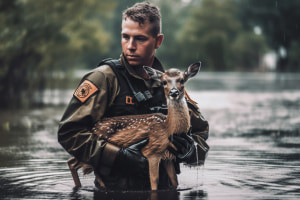
Furthermore, the combination of smart lighting systems that adjust their brightness and color can disrupt the nighttime activities of specific wildlife, decreasing their convenience in city setups. Physical barriers, such as bird spikes and nettings, continue to act as useful deterrents, preventing pets from nesting or roosting in undesirable locations. Highlighting humane and environment-friendly strategies, these innovations hold pledge for lasting urban wildlife management.
Neighborhood Education And Learning Initiatives
Recognizing the significance of area education initiatives is crucial in addressing urban wildlife difficulties successfully. Such initiatives play a substantial role in fostering conjunction in between people and wildlife in urban setups by raising recognition and advertising responsible habits. Enlightening residents about neighborhood wild animals species, their environments, and habits can minimize misunderstandings and concern, causing more enlightened choices concerning wild animals management.
Area education and learning efforts often consist of workshops, workshops, and outreach programs created to engage residents of every ages. These campaigns can view concentrate on functional suggestions, such as protecting waste bins, installing bird-friendly frameworks, and staying clear of feeding wild animals, which assists prevent attracting pets right into metropolitan locations. By sharing understanding about the ecological duties of wild animals, neighborhoods can shift viewpoints from checking out animals as nuisances to identifying their value within city ecosystems.
Citizens that understand the value of wild animals preservation are much more most likely to sustain gentle elimination techniques and environment defense steps - burlington animal control. Efficient area education and learning requires partnership between regional authorities, wild animals specialists, and neighborhood leaders to develop customized programs that attend to particular city wildlife issues.
Conclusion
Urban wildlife elimination needs a multifaceted strategy, resolving honest management, lawful compliance, and safety and security in removal practices. Effective urban wild animals management pivots on partnership among authorities, professionals, and homeowners, making sure strategies that secure human security while respecting wildlife well-being.
Urban environments present one-of-a-kind difficulties for wild animals management experts entrusted with managing or eliminating wild animals populations. Recognizing the intricacies involved in city wild animals elimination is essential for creating methods that stabilize human safety with wildlife well-being.Browsing the legal landscape of urban wildlife elimination offers a complex layer to the already difficult job of moral wildlife management.While safety and security in wildlife elimination is important, preventing experiences with city wild animals through innovative deterrent services can substantially lower the demand for such interventions. Effective city wild animals management copyrights on collaboration among citizens, authorities, and specialists, making certain approaches that guard human safety and security while valuing wild animals well-being.